



Competitive Installation Economics
Increased competition and streamlined supply chains have made 2026 one of the most cost-effective years to install a system.
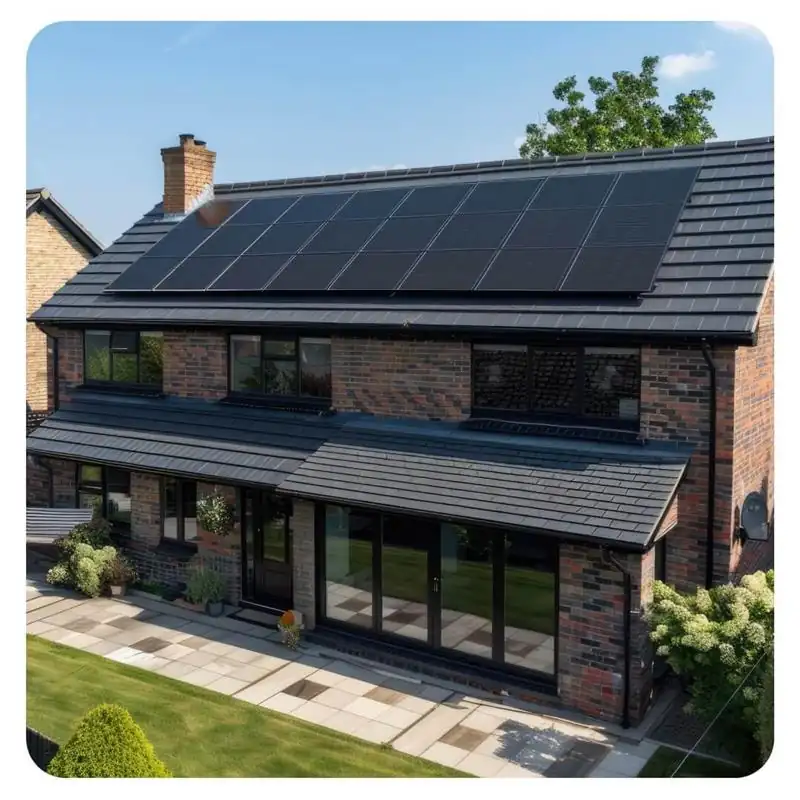
Is 2026 the right time to go solar in the UK? With rising energy costs, improved solar panel efficiency, and government incentives like the Smart Export Guarantee (SEG), there has never been a better time to invest in solar energy. Discover how switching to solar can reduce your electricity bills, increase property value, and deliver long-term savings while supporting a greener future.
With energy markets remaining volatile and the climate crisis intensifying, UK homeowners and businesses are increasingly asking: is now the time to go solar? In 2026, the landscape has shifted significantly. Enhanced technology, strategic government incentives, and the high cost of traditional power have transformed solar from a "green luxury" into a essential financial strategy.
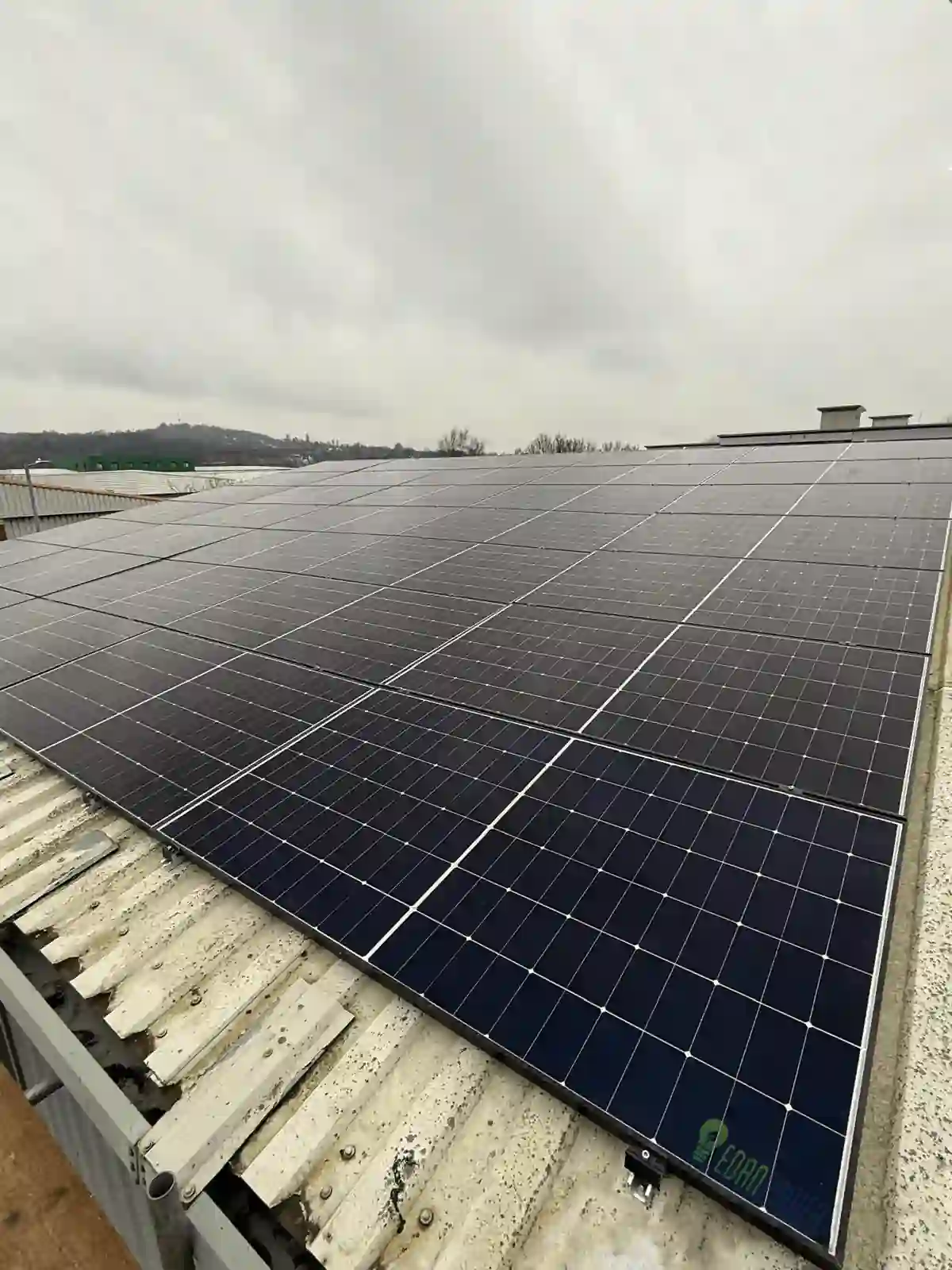
1. Protection Against Volatile Energy Markets
As grid prices remain stubbornly high, generating your own power acts as a financial shield.
Energy Independence: Reduce your vulnerability to global supply chain shocks.
Price Lock-in: While grid rates fluctuate, the cost of the sun stays at zero.
Immediate Relief: Noticeable reductions in monthly outgoings from day one.
2. Technological Breakthroughs in Low-Light Efficiency
The "British weather" argument is officially a relic of the past. 2026-gen panels utilize advanced cell structures designed to capture diffuse light.
Performance Fact: Modern PV systems are engineered to harvest energy across a broader spectrum, ensuring consistent generation even during the UK’s signature overcast afternoons.
3. Sustained Financial Incentives
Government and local frameworks continue to lower the barrier to entry:
Smart Export Guarantee (SEG): Get paid for every kilowatt-hour you send back to the grid.
Zero VAT Rating: The 0% VAT on solar installations remains a massive upfront saving.
Local Grants: Many councils now offer targeted "Green Home" subsidies to meet regional net-zero targets.
Increased competition and streamlined supply chains have made 2026 one of the most cost-effective years to install a system.
The financial profile of solar has never looked better. With faster payback periods, your system becomes a "profit center" much earlier in its lifecycle.
Break-even Window: Typically 5–9 years.
Operational Lifespan: 25–30+ years.
Lifetime Financial Benefit: Projected savings between £16,000 and £32,000 over the system's life.

Beyond the wallet, solar is the most effective way for a household to contribute to the UK’s Net Zero 2050 goal.
Carbon Reduction: Drastically lower your household's annual $CO_2$ footprint.
Sustainability: Directly reduce the demand for fossil-fuel-generated "peaker" plants.
Future-Proofing: Align your property with the increasing demand for high EPC (Energy Performance Certificate) ratings.

You are an ideal candidate for a 2026 installation if:
Roof Orientation: You have roof space facing South, East, or West.
Clear Exposure: Minimal obstruction from neighboring buildings or large trees.
Tenure: You plan to remain in the property for at least 5 years to maximize the initial ROI.
Yes, solar panels work year-round, though output may be lower in winter due to shorter daylight hours.
Solar panels typically last 25–30 years with minimal maintenance.
Yes, through the Smart Export Guarantee (SEG), you can earn money from unused energy.
Join thousands of UK homeowners saving money and reducing their carbon footprint with our expert solar panel installations. Get your free quote today.
Real review from our happy customers

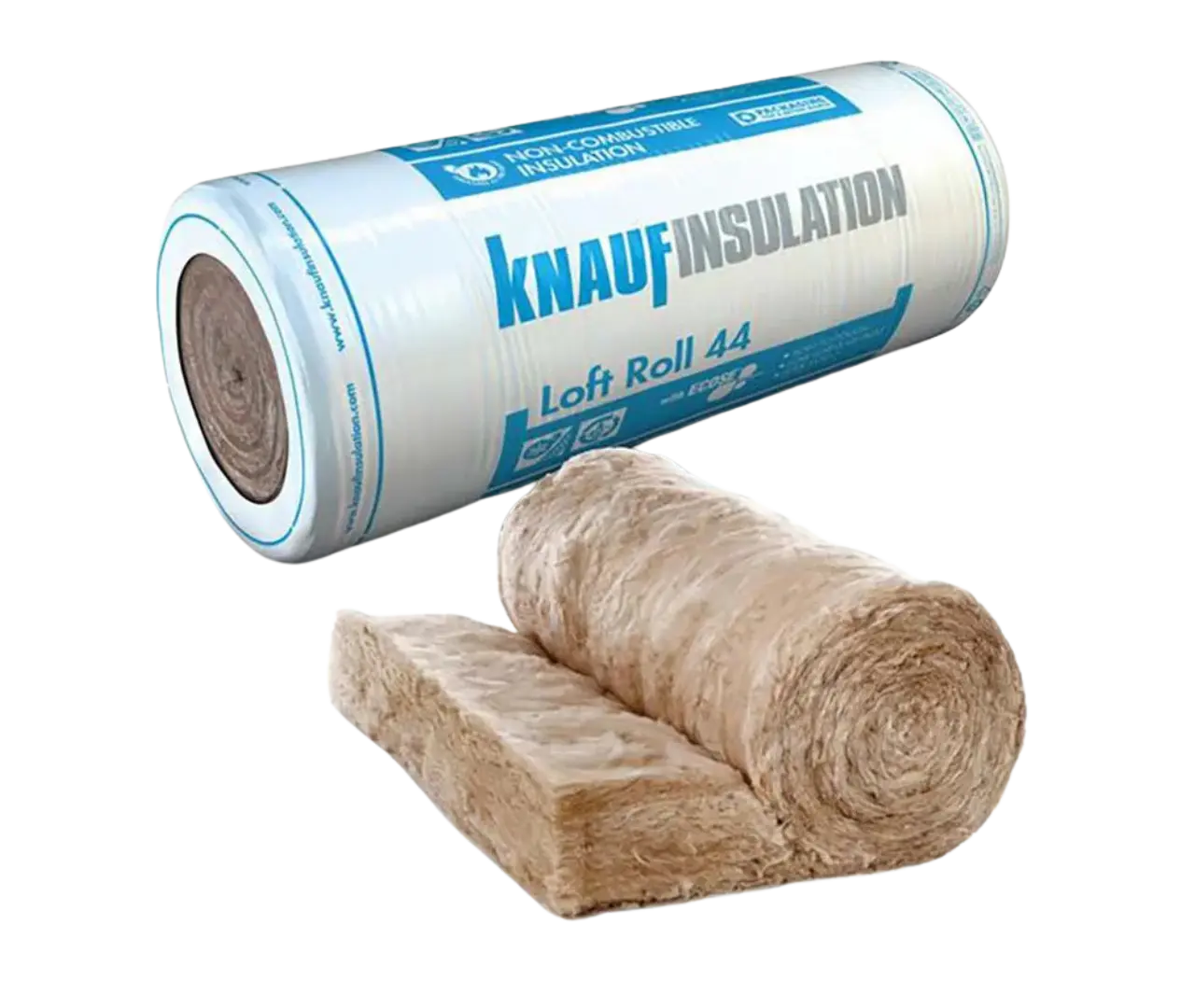
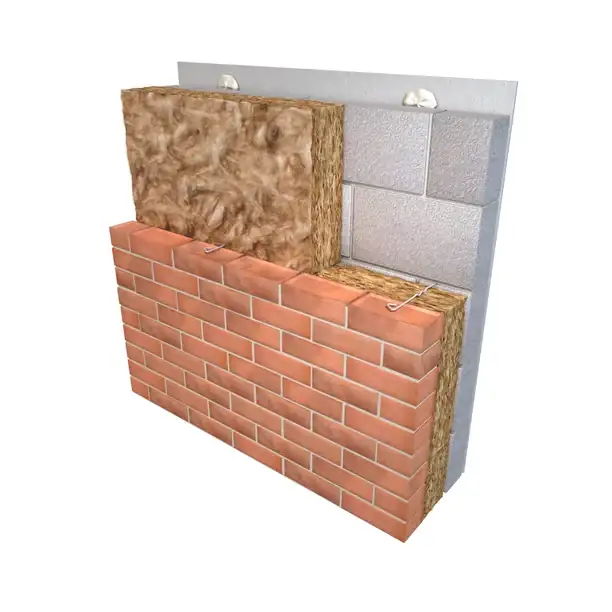
We had EWI, Central Heating & Loft Insulation done by Edanpower Contractors, the workmen were excellent from start to finish. All the Contractors were very polite, hard workers and all the work was completed to a very high standard! We would use them again and highly recommend them!
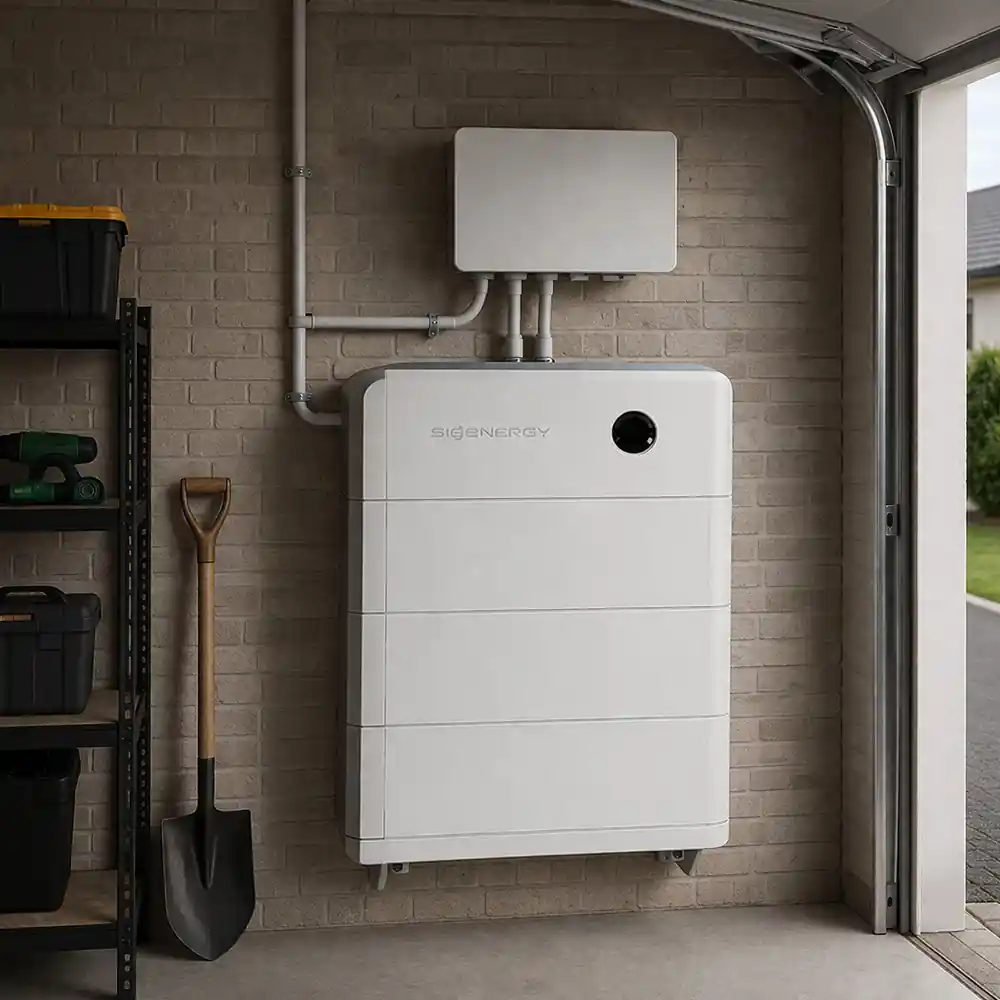
I had solar panels installed nearly 10 years ago (4kWh). Recently, I decided to have a heat pump installed and as a consequence had a battery installed. Once the battery and heat pump were installed, I realised that my solar installation would not be sufficient and approached Edanpower to install more solar panels (another 8kWh). Although the existing panels and inverter caused an issue with configuration into the battery, the engineer was able to configure it all so I can now see all the panels and the power being generated. I'm pleased with the service provided by Edanpower and would not hesitate to use them for any other solar panel/battery installation.
Rakesh was extremely helpful from the start, patient while I waited for funding and super speedy when it came to completing the work. Edan Power went above and beyond and jumped through hoops to getting us where we are today (a solar run company). The installation team was also extremely efficient and friendly. Would defiantly recommend :)
Excellent Job completed by Edan Power for our commercial solar install. Their fitting team are a credit to the company for working tirelessly to iron out any issues as it was a challenging install. A big thank you to Gugs for managing the whole project and making sure I was happy with the system.
You might also find these articles helpful
 Solar Energy • UK Guide
 Solar
Solar
 Solar
Solar